
Garage doors (residential)
R-series torsion springs with a 1¾–2″ inner diameter above the opening. Cycle life and torque repeatability from batch to batch.
A counterbalance spring is a consumable with a life of tens of thousands of cycles. For a door OEM it is critical that every batch delivers the same lifting force: we coil to drawing or sample and confirm the specification before production starts.
An engineer replies within one business day (Moscow + 5 hours). Prototypes — 48 hours after drawing approval.
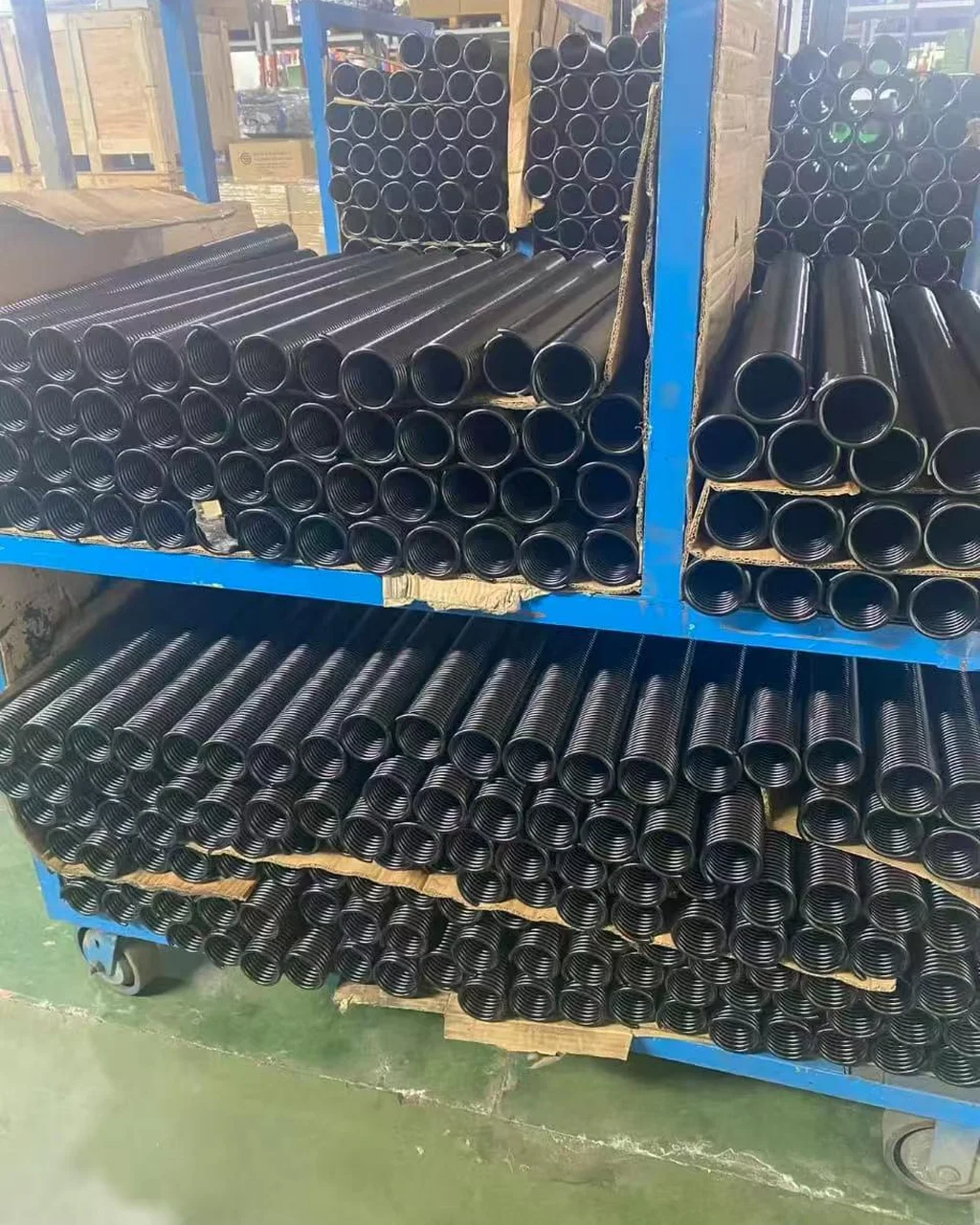
XULONG SPRING, a factory operating since 1979, manufactures counterbalance springs for garage and industrial doors: R-series torsion springs (inner diameter 1¾–2″) and C-series (2⅝–6″) plus extension springs. Wire 4–16 mm, oil-tempered spring steel (ASTM A229) and high-carbon steel, right-hand or left-hand coiling, coating — anticorrosion oil or black electrostatic. Prototypes in 48 hours (3–5 pcs), IATF 16949:2016 quality system, about 900 tons of output per month.
Operating conditions
Counterbalance springs are a consumable: they need stable force and a long cycle life, while European suppliers are becoming scarcer.
Typical equipment of the industry
From a residential garage door to warehouse and retail complexes — every door needs a counterbalance assembly. For each layout we coil a spring with its own geometry and torque.
R-series torsion springs with a 1¾–2″ inner diameter above the opening. Cycle life and torque repeatability from batch to batch.
C series with a 2⅝–6″ inner diameter: heavy wire, high shaft loads and long service life.
Torsion and extension springs for rolling systems and security shutters — series batches at a stable price.
Large springs for warehouses and hangars: calculated for the curtain mass, hot-coiled options for heavy doors.
Light self-storage doors: mass batches of small diameters with the same lifting force in each spring.
Springs for gate systems and wickets: leaf-weight compensation, outdoor duty in any weather.
Application examples
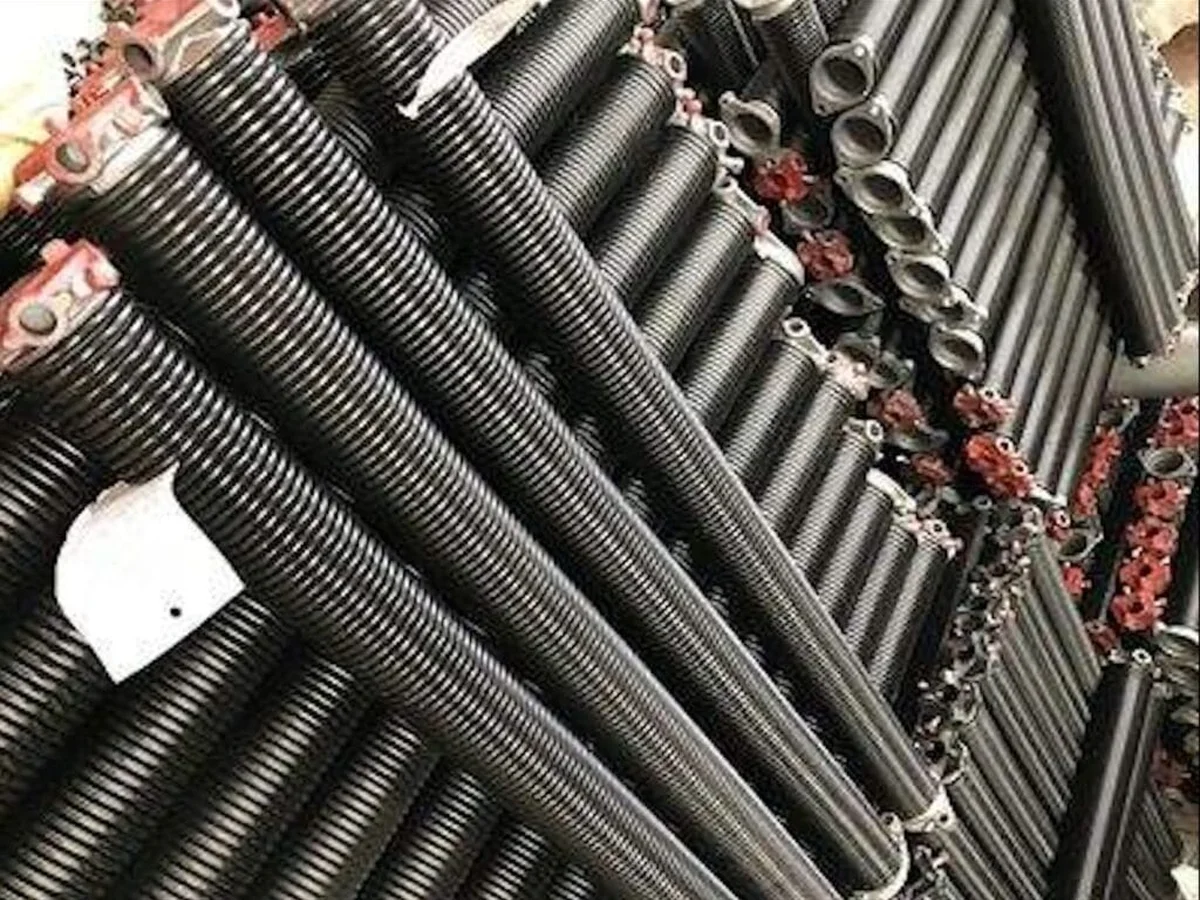
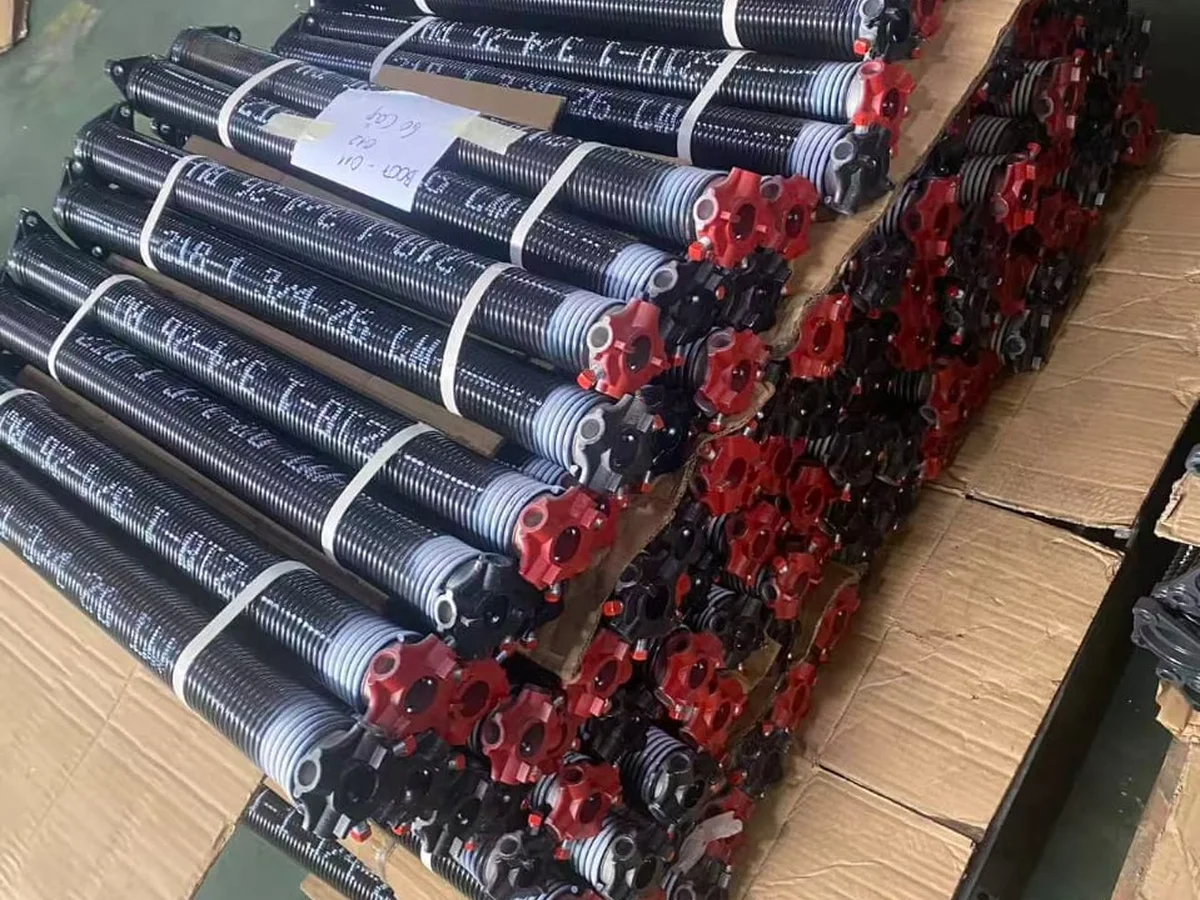
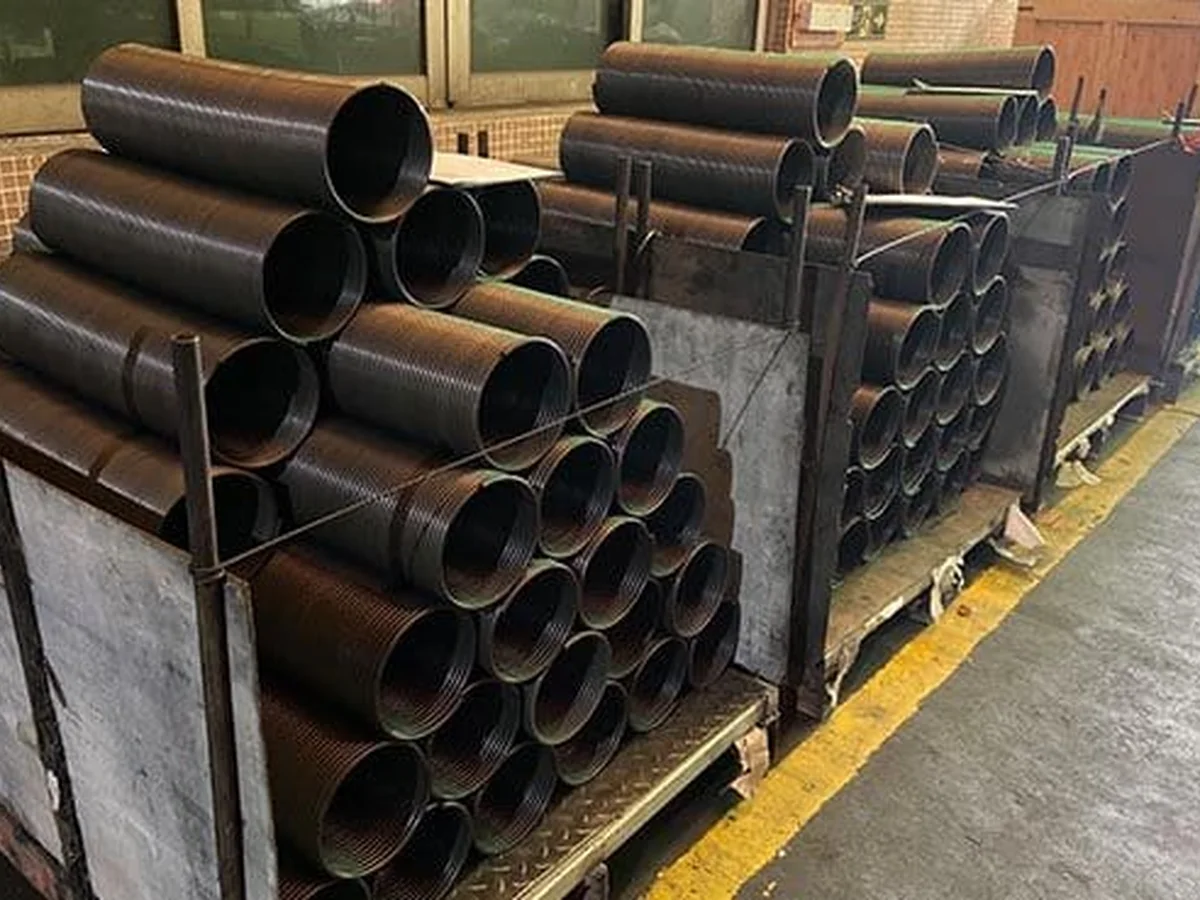
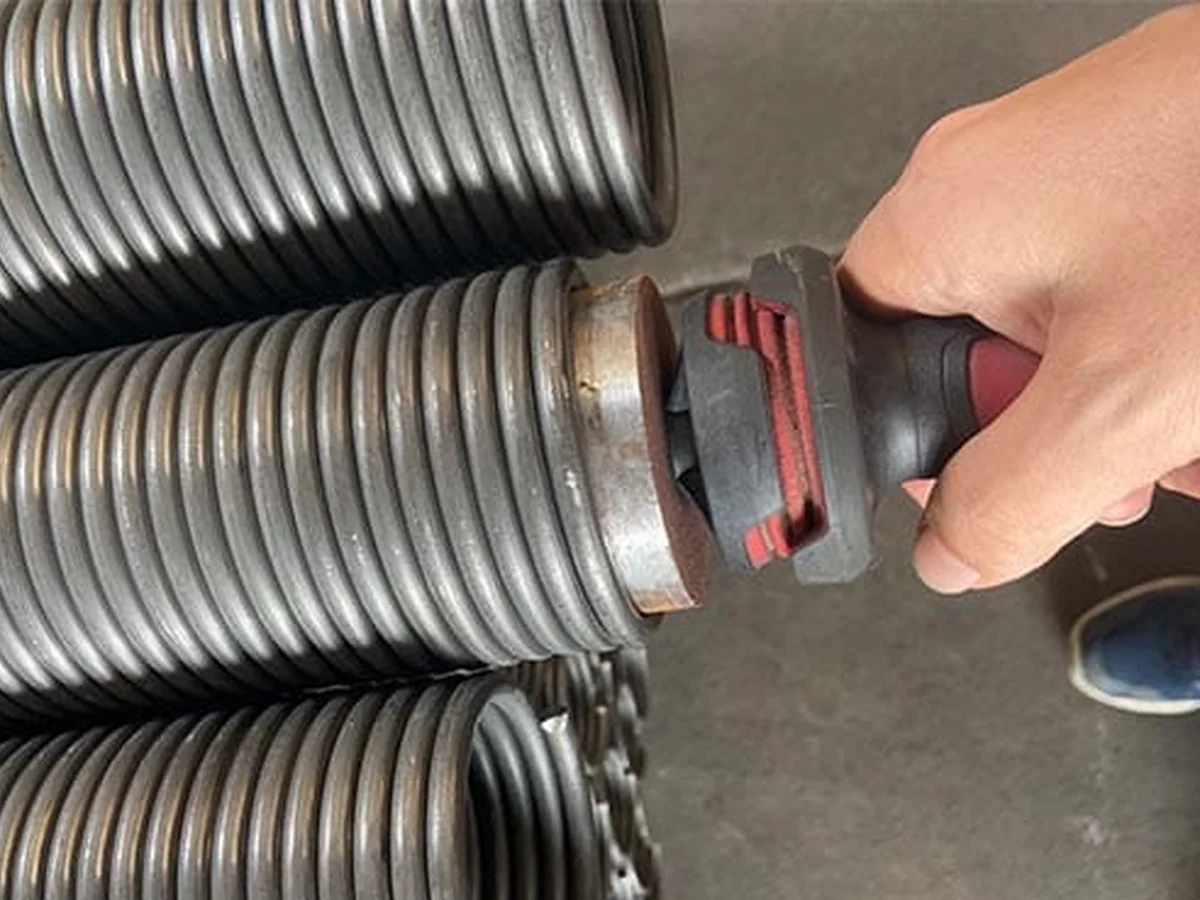
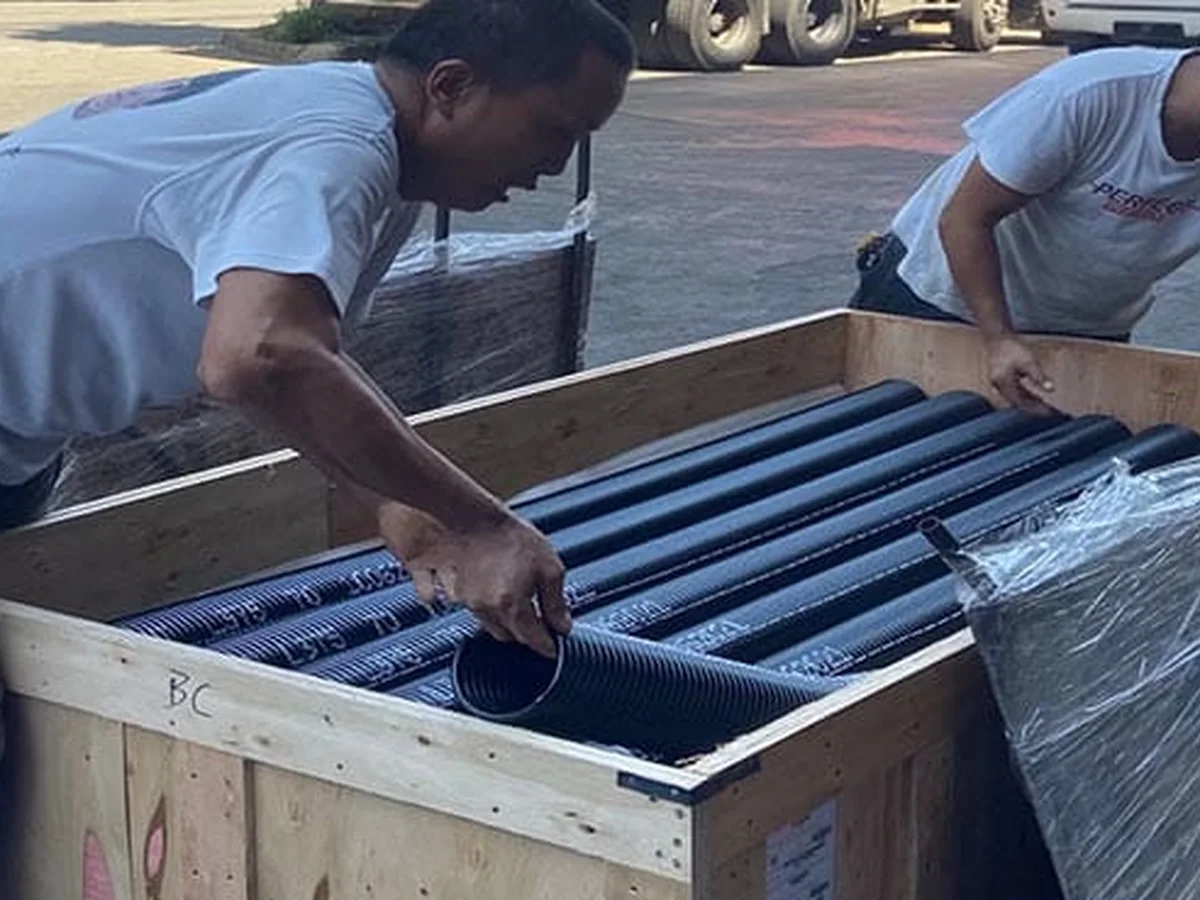
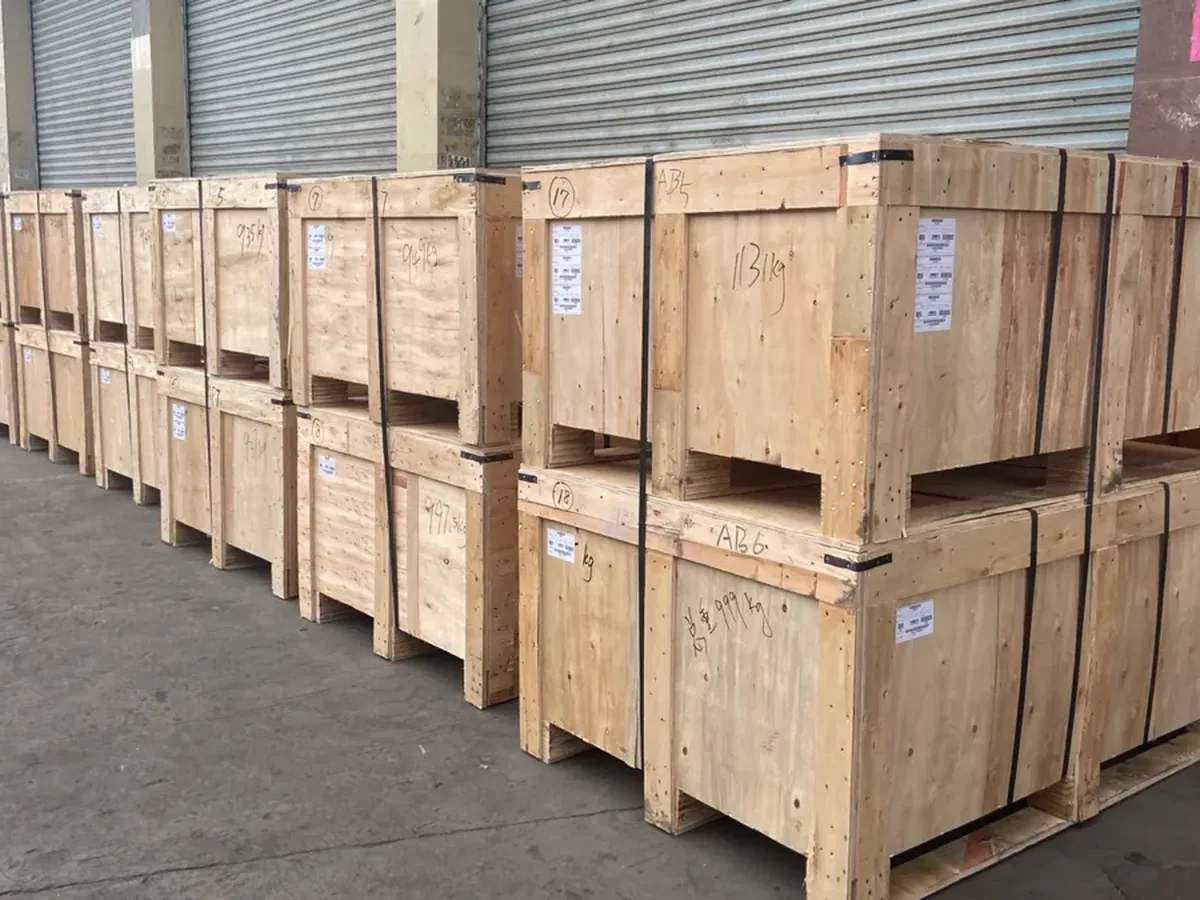
Photos from production: batches of torsion springs with cones, inner-diameter inspection, packing into wooden crates and loading of export orders.
What this means
Torsion springs of the R series (residential) and C series (commercial doors) and extension springs for door mechanisms. We work with both door OEMs and hardware wholesalers.
High-cycle fatigue is the key parameter of a counterbalance spring.
It defines the door balance and the load on the operator.
Inner diameter and end shape — for the shaft and the attachment.
For door OEMs and hardware wholesalers.
Manufacturing capabilities
Key production parameters: everything is confirmed before the batch starts — against the drawing or a sample.
Products for the industry
You don't have to pick from a ready list: we manufacture to drawings, samples or technical specifications.
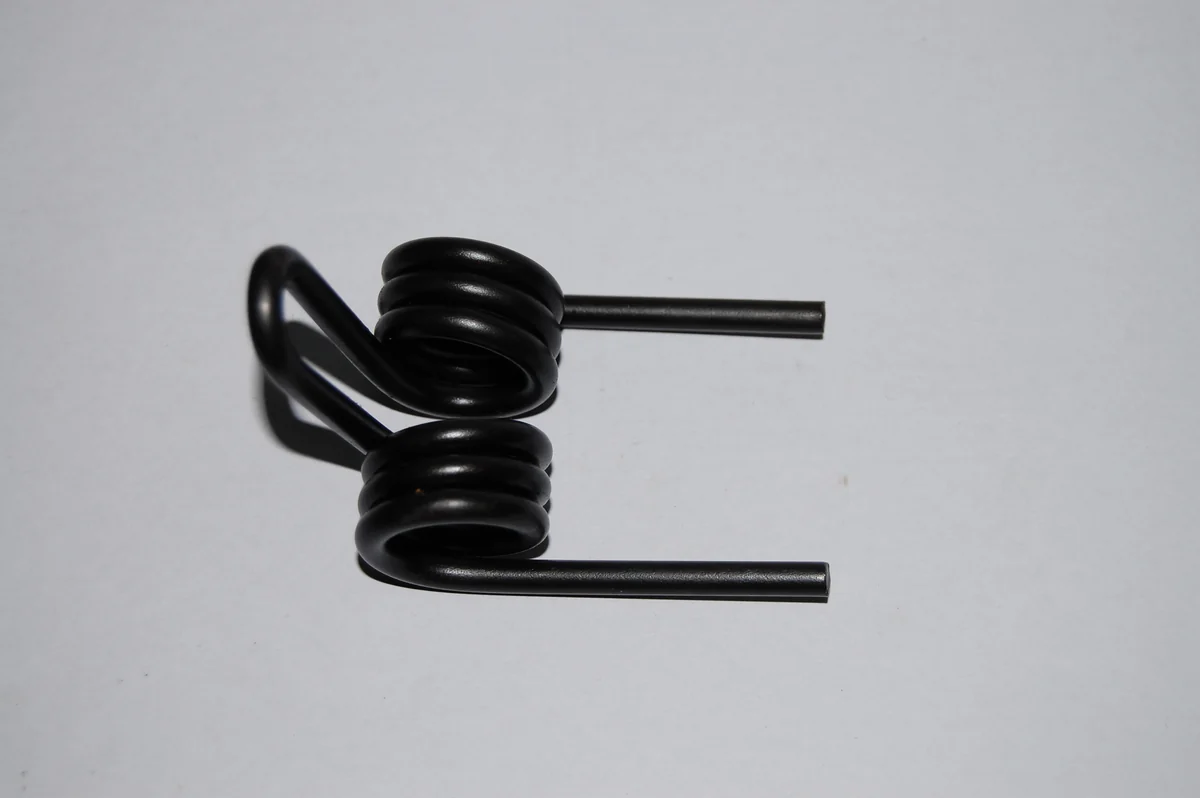
Counterbalance torsion springs for garage and roller doors — R and C series.
View category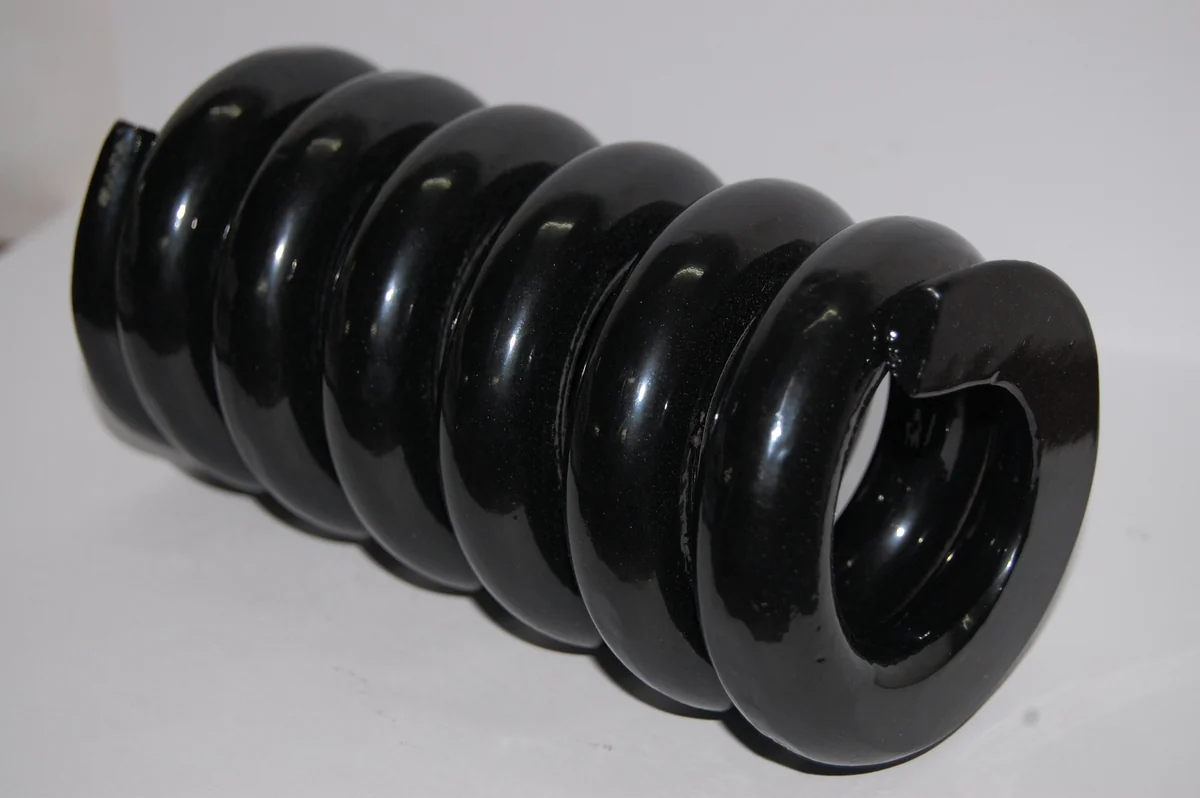
Large counterbalance springs for industrial and commercial doors.
View category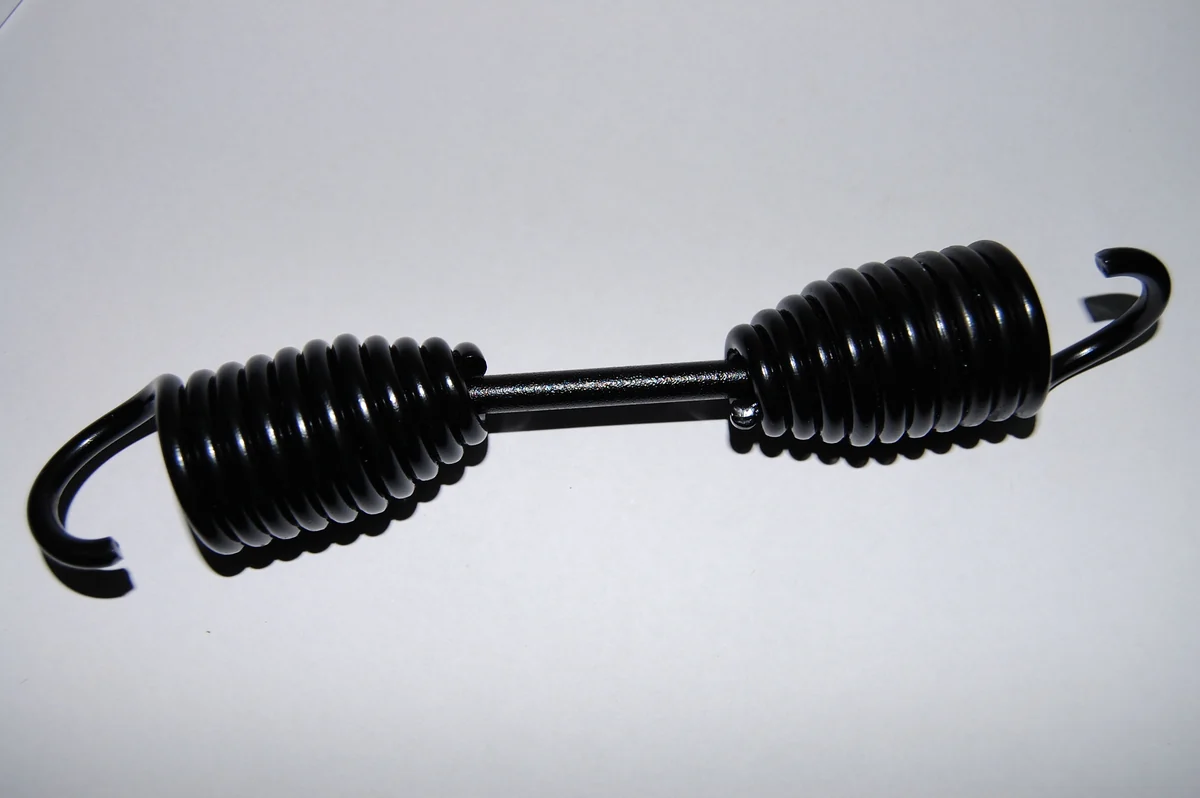
Extension springs for sectional doors and leaf mechanisms.
View categoryAdvantages
Proof, not promises
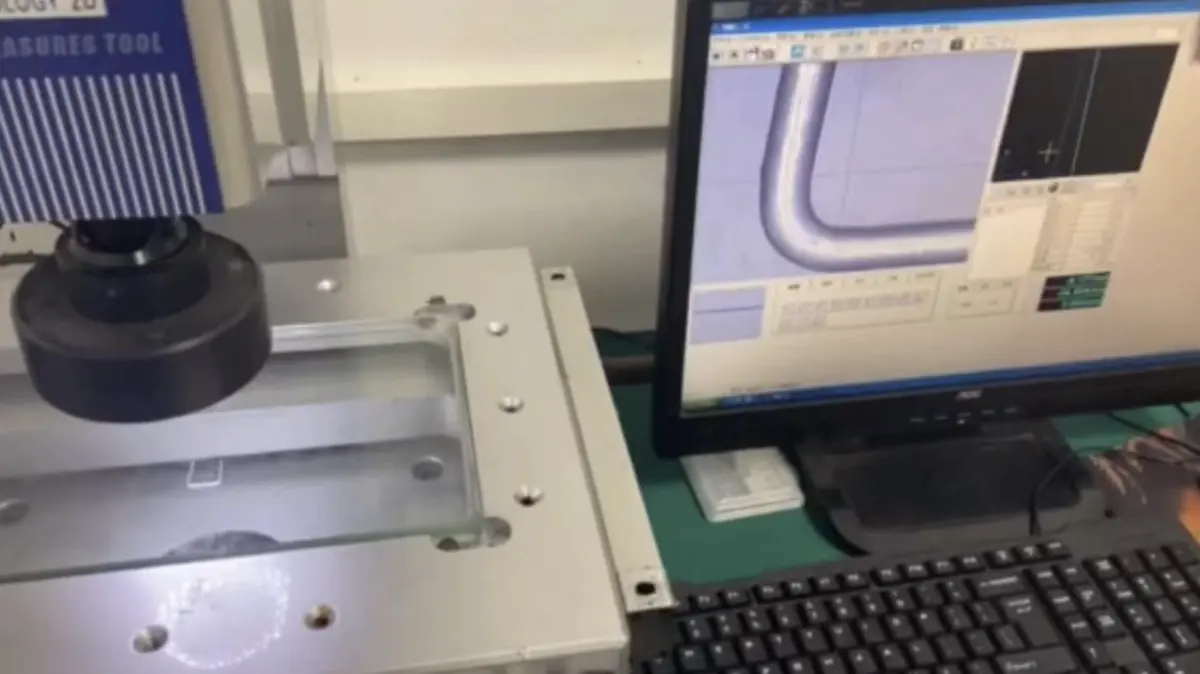
PDF, DWG, DXF, a sketch or a physical sample. We sign an NDA on request.
Our engineer checks manufacturability and proposes material and coating — we reply within one business day.
After alignment we produce prototypes and ship them to you. Then — a series batch with inspection and documentation.
Where to start
You don't have to send a finished drawing — our engineer will help you collect the data. The more complete the input parameters, the more accurate the selection and the faster the approval.
Send the data to our engineerFAQ
A torsion spring is mounted above the opening and works in twisting, balancing the curtain weight; an extension spring stretches along the guides at the sides. We produce both types — with the main focus on R-series (residential) and C-series (commercial) torsion springs.
Measure 10 coils of the existing spring and divide the result by 10, then check the inner diameter and the length of the coiled section. Send us these figures — or a photo of the spring with basic dimensions — and we will confirm the specification before production.
The main materials are oil-tempered spring steel (ASTM A229) and high-carbon spring steel: they provide the required fatigue life and characteristic stability. Other spring steels are available on request.
As standard — anticorrosion oil or black electrostatic coating (depending on spring length). Export orders are packed in wooden crates, carton boxes or on pallets rated for sea and rail transport.
Service life depends on the counterbalance layout, the load and the operating conditions. We select material, strengthening and coating for the required cycle count and confirm the characteristics with reports.
Yes. We supply batches both to door OEMs and to wholesalers of door components.
We provide the IATF 16949:2016 certificate, test reports and product data sheets — a complete package for declaration and customs.
Spring steels 65Mn, 72A, 82B, 60Si2Mn, 55CrSi, 51CrV4, 60Si2CrMn. Wire is sourced directly from Baowu (Baosteel), Kobe Steel, Bekaert and Qingdao Special Steel, which guarantees characteristic consistency.
We arrange rail container transport, road freight and sea shipping via Far East ports. Delivery terms are agreed per order (FOB, CIF, DAP).
Yes, we work under NDA: customer drawings and technical documentation are never shared with third parties or used for other customers.